The Union of the Comoros is situated in the Western Indian Ocean, between mainland Africa and Madagascar. The country is made up of 3 islands Ngazidja (Grande Comore), Mwali (Mohéli) and Ndzouani (Anjouan) within an archipelago of 4 islands. The fourth island of Maore (Mayotte) is culturally similar but has remained an overseas department of France (following the other islands independence from France in 1975).
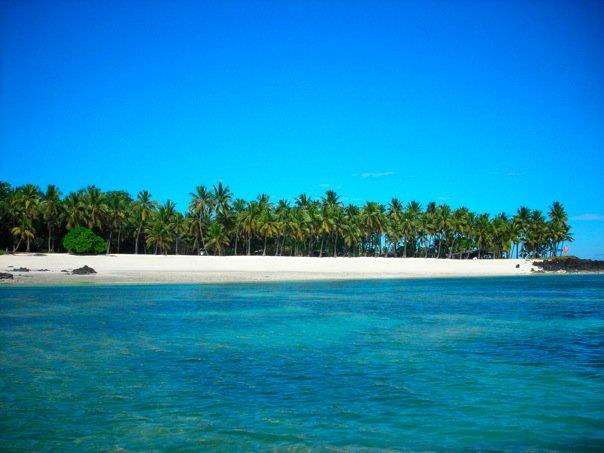
Maloudja beach in Northern Ngazidja
Also known as the ‘Islands of the Moon’ (qamar in Arabic means ‘moon’), the islands are beautiful and vibrant, but also one of the smallest, poorest and most densely populated countries in the world.

Vendors at the old Market in Moroni, capital town of the Comoros
The volcanic islands are fringed with coral reefs, mangrove forests and seagrass beds and are home to some amazing and endangered wildlife such as dugongs, marine turtles, Livingston’s fruit bats and migrating humpback whales.
Many people living in the Comoros rely heavily on the sea for their livelihoods and a large proportion of the overall population lives near the coast.

Female humpback whale off Chindini on the southern coast of Ngazidja
The Comorian archipelago has a diverse culture and history, and over the centuries the Islands have been settled by a succession of groups from the coast of Africa, the Persian Gulf, Indonesia, and Madagascar. The Union of the Comoros has three official languages – Comorian, Arabic and French. The majority of Comorians are Muslim, and African and Muslim-Arabic cultures are an important part of Comorian society.
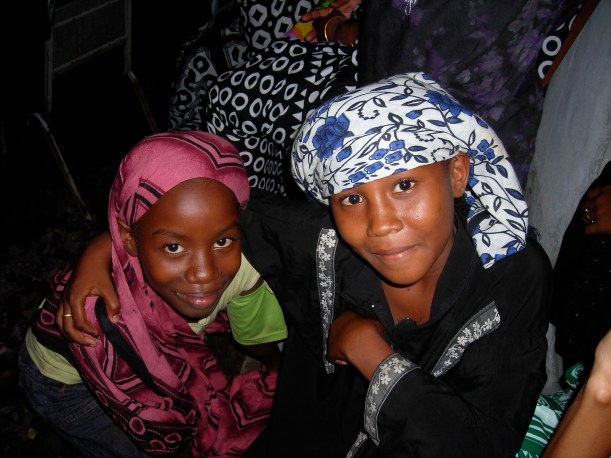
Children at a Grande Marriage Ceremony in Mitsamiouli in the north of Ngazidja.
Grande Marriages are an important part of Comorian culture. A Grande Marriage is a large and elaborate ceremony that takes place a year or more after a normal marriage and is a symbol of social status on the islands. It involves lavish parties, processions and gatherings, can last up to two weeks and involves the whole village.
Ndroudé
Ndroudé is a small fishing village situated on the northeast coast of the largest island, Ngazidja. There are around 1500 people who live here and more than 90% of them survive by growing their own food and fishing. Sometimes they can sell any excess crops they grow or fish they catch in the market to make a little money but other than this, there are very few income sources in the village or surrounding area.
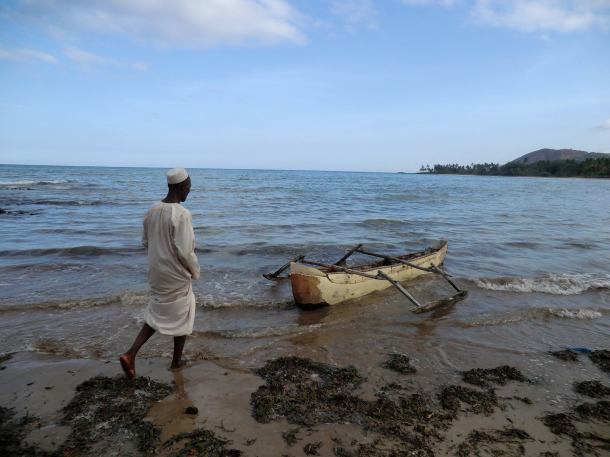
Fisherman walking out to his pirogue (carved out wooden canoe) on Ndroudé beach
Ndroudé has a large and beautiful golden sand beach with a communal area of fields and coconut palms (used by the villagers for growing their crops) and a large stretch of coral reef interspersed with sea grass beds. A small population of green turtles nest in the area, however turtle poaching is a big problem on the island (and in this region generally).
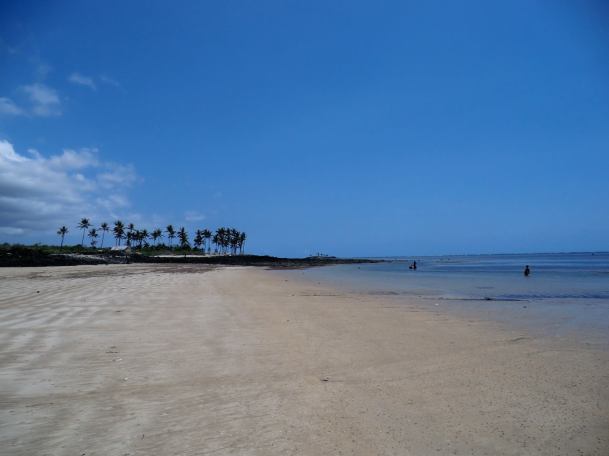
Ndroudé beach
Issues in Ndroudé
Poverty is a major issue in Ndroudé. Most of the villagers have no real income apart from what they make on any extra fish catch or crops they can sell in the market. This means that the villagers are extremely reliant on catching enough fish and growing enough food just to survive. The local natural environment has been significantly degraded (as has most of the island of Ngazidja) due to collection of wood for fuel, sand extraction from the beach (by the construction industry), turtle poaching and the fact that there is no form of rubbish collection here.

Little girl collecting water from the village tap, Ndroudé
The village does have an electricity supply, but (as with the rest of the island) this supply is unreliable and subject to frequent power cuts. There are also around 50 households in the village that have no electricity supply at all.
Until recently the village relied on collecting water in buckets from a communal well in the fields and household rainwater collection tanks but there is now water pumped from an old well to 3 taps in the village. This is still unreliable however because the pump is electric and so depends on the intermittent electricity supply.

Women fishing on the reef – Ndroudé beach
 Mahaba